
Analytics & data builds · For when GA4, Stripe and your ads disagree
Your ad reports and your bank account don’t match; the fix is the data underneath.
This is data work, not tracking. Once your tracking is right, the data still sits in four places: GA4, Stripe or Shopify, your CRM and your ad platforms, and none of them agree. We design the data stack you need, then build it: a warehouse, pipelines, ID resolution and one source-of-truth dashboard, all owned by you. If your numbers are wrong or missing, you need tracking first. Which one do I need?
Step one is the 30-Day Measurement Sprint ($1,250, one time). Teams that need data work follow it with a two-week design engagement and an optional Data Build, priced after the design.
When your numbers never reconcile, another tweak won’t fix the stack.
Most growing businesses don’t have a media problem. They have a measurement problem that makes every other decision a guess, and scaling ad spend on top of it just burns money faster.
Numbers don’t reconcile
GA4 says one thing, Stripe or Shopify another, Meta and your CRM a third and fourth. There’s no single number you can put in front of a partner or a board and defend.
Nobody can act on it
The data exists, but every question (which channel brings customers who buy again, what a lead from Meta is worth) means exporting CSVs into a spreadsheet. So the questions stop getting asked.
Duct-taped over years
Multiple agencies, multiple tag managers, dead pixels, half-finished migrations. Nobody on the team knows what’s still live or why it’s there.
Two weeks take you from kickoff to a stack design and a prioritized roadmap.
The Sprint fixes your ad tracking and gives you a baseline. When the tracking is right but the data is scattered, the design engagement follows it: strategy and architecture first, before anyone touches a tag. You leave knowing where your stack is, where it should be, and exactly how to get there.
- 1
Kickoff & access
One-hour kickoff to align on business goals, key decisions you need data to support, and current pain points.
- Stakeholder interviews
- Read-only access, revocable after delivery
- Goals & decisions inventory
- 2
Audit your current stack
Every tag, pixel, container, and integration: what’s firing, what’s dead, what’s duplicating, and where data is being lost.
- GTM, GA4, pixel inventory
- Data reconciliation checks
- Written audit document
- 3
Design the architecture
The stack you actually need: client-side, server-side, warehouse layer, and BI. Vendor-neutral, with the tradeoffs spelled out, and one measurement plan your team and agencies can agree on.
- Stack diagram & rationale
- KPI & event taxonomy
- Attribution model & reporting cadence
- 4
Roadmap & walkthrough
What to build, in what order, by whom, with effort estimates. Hand it to your team, your agency, or back to us to build.
- Prioritized build sequence
- Effort & complexity estimates
- Live walkthrough call
The Data Build turns data you argue about into data you act on.
If you want us to build what the roadmap calls for, the Data Build covers the data layer in four parts. We deploy, pipe the data into the warehouse, and validate every stream end to end before anything ships. If the roadmap also calls for server-side tracking or conversion APIs, that part is tracking work: the Server-Side Build, done first.
Warehouse & pipelines
A central warehouse (BigQuery) with pipelines from your ad platforms, GA4, store, and CRM: one place where the numbers reconcile instead of four tools that disagree.
First-party data & ID resolution
A first-party data and ID-resolution layer that matches the same person across your ads, site, store and CRM, so one customer isn’t counted three times.
CRM & store integration
Orders, deals and customers from your CRM and store joined to the marketing data, so reports run on revenue, not just leads.
Source-of-truth dashboard
One dashboard that ties spend to revenue by channel (blended CAC, ROAS, and pipeline), built on the clean data underneath.
The design engagement follows the Sprint, and the Data Build is priced from its roadmap.
For most teams the first step is the 30-Day Measurement Sprint ($1,250, one time), which gets the tracking right. The design engagement and the Data Build are what follows it for teams that need data work. Fixed engagements with defined deliverables and a set end date; scope and price are fixed in writing before work starts. Nothing renews automatically. Every build includes documentation, training, and a stack you own outright.
Audit, architecture and roadmap for your data
Not a second Sprint: the Sprint fixes tracking for your ads, and this designs the data stack for teams whose tracking is already right. Fixed two-week engagement with a set end date. The price depends on the size of your stack and is fixed in writing before we start.
- Full data audit document
- Stack architecture recommendation
- KPI framework & event taxonomy
- Attribution model selection
- Prioritized implementation roadmap
- Stakeholder interviews
- Live walkthrough call with your team
A warehouse, pipelines and one source-of-truth dashboard
Every source in one warehouse, and one dashboard that ties spend to revenue. The price comes from the design engagement’s roadmap and is fixed in writing before work starts. The timeline includes the 30-day validation period.
- BigQuery warehouse + data pipelines
- Source-of-truth dashboard (blended CAC / ROAS)
- First-party data & ID resolution
- CRM / store data integration
- 30-day post-launch validation
- Documentation & training
Managed Data Ops
Month-to-month with 30 days’ notice from either side. Nothing renews into a contract.
- Continuous data-quality monitoring
- Configuration drift and breakage alerts
- Pipeline and dashboard maintenance
- An AI-narrated monthly insight report
- A quarterly measurement review
- Priority support
Warehouse and pipeline usage (and sGTM hosting, if your stack uses it) are billed at cost, separate from the build.
Numbers wrong or missing? That’s tracking, not data work. Pixels, GA4 and conversion events in the browser: Conversion Tracking Setup (from $950, one time). Server-side GTM, conversion APIs, a GA4 rebuild and Consent Mode v2: the Server-Side Build (from $2,000). Ad tracking fixed and a cost-per-lead baseline: the 30-Day Measurement Sprint ($1,250, one time). Which one do I need?
You own the warehouse, the pipelines and the dashboard outright.
We build it, document it, and hand you the keys. If you ever stop working with us, nothing breaks and nothing gets held hostage.
Your accounts
The warehouse lives in your own Google Cloud account, the pipelines run under your accounts, and the dashboard is yours.
Your team can run it
Documentation and team training come with every build, so you can run everything yourself or hand it to your existing team.
No ongoing fee required
The Data Build is a one-time build. Keeping tracking accurate over time is real work, so Managed Data Ops is there if you want it, but it’s optional, and we’re happy to do just the build.
After a data build, the clean data can also feed Lux Signal, our bidding engine in early access, which sends corrected conversion values to Google and Meta.
Your stack is designed and built by people who run paid media every day.
Most analytics consultants are pure analysts. We’re operators who run paid media every day, and engineers who build the infrastructure.
Infrastructure we’ve built, not theory
Server-side tracking, data warehouses, custom ingestion with Jitsu: we recommend infrastructure we’ve actually built, not theory we read about.
The stack we’d want for our own budget
We see analytics through the eyes of someone spending real budget. The stack we design is the one we’d want if your ad account were ours.
“Your work on my AdWords campaigns has been invaluable. Having the flexibility to discuss things with you and put into practice only what I am comfortable with has been the biggest difference between other specialists. Most other companies insist on taking big monthly revolving fees, before proving themselves.”
“Julio really did a great job with my SEO and Google Adwords. He increased my conversions for my medical practice. I saw many patients as a result of his marketing!”

Santa Monica History Museum
A custom Conversions API plugin for website sales, then the most successful fundraiser in the museum’s history.
Read the case study →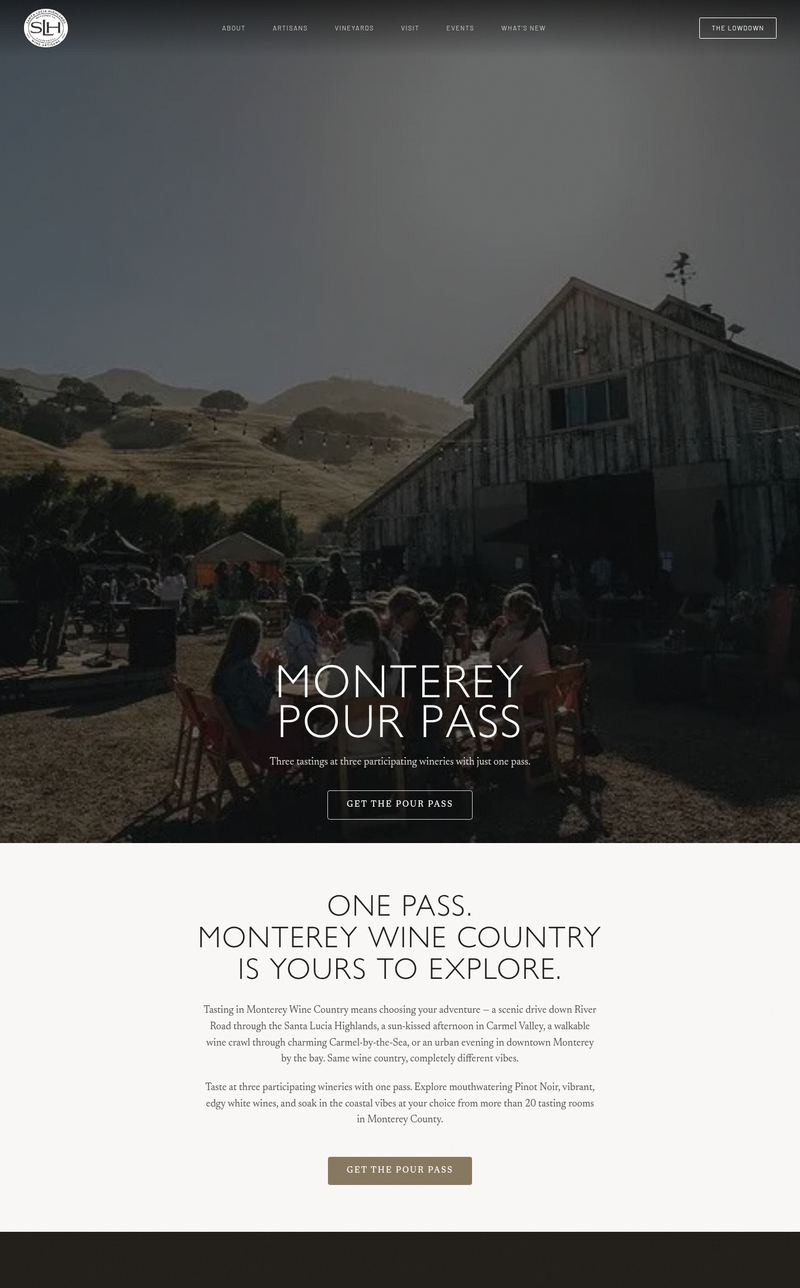
Monterey Pour Pass
Purchases and first visits sent to Meta, GA4 and Google Ads from the server. 166 passes sold in two months.
Read the case study →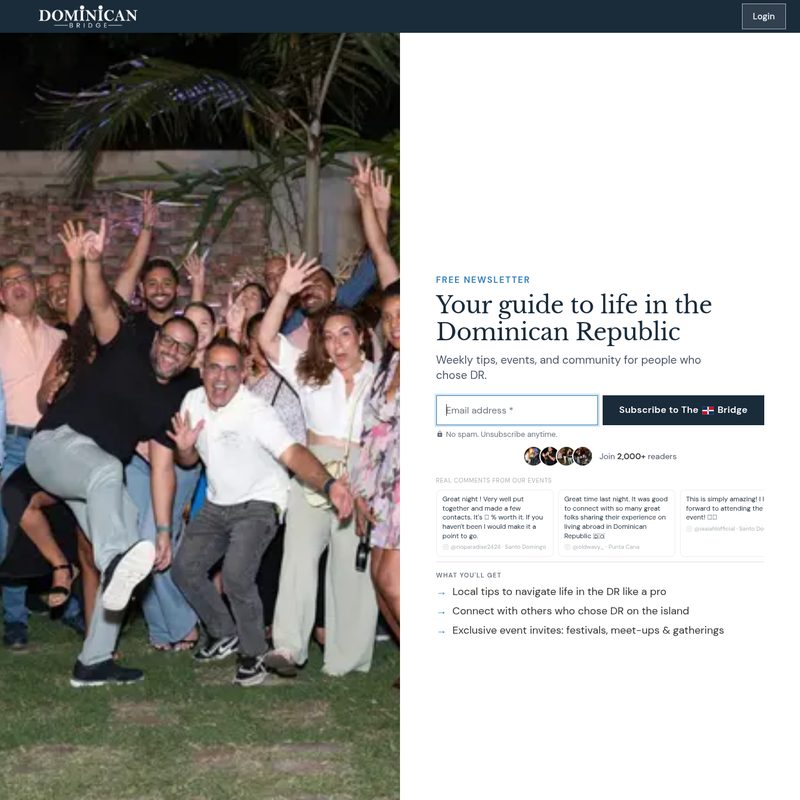
Dominican Bridge
Server-side Meta CAPI, custom conversions and paid ads behind sold-out events in four cities.
Read the case study →It fits when your data sources disagree and nobody knows which to trust.
It fits if
- Your data sources disagree and nobody knows which to trust
- Years of agency turnover left a stack nobody fully understands
- You’re about to scale ad spend and need confidence in your numbers first
- You want a senior strategist’s plan, not a vendor’s pitch deck, and a stack you own
- You have a marketing person (in-house or a manager) who’ll be our main contact and approve the work. We do the work.
It’s the wrong fit if
- You just need someone to install GA4 and your pixels: see Conversion Tracking
- You need server-side tracking or conversion APIs: that’s tracking, see the Server-Side Build
- You mainly need your ad tracking fixed and a baseline. Start with the 30-Day Measurement Sprint
- You’re a solo founder without a marketing person yet
The Data Build is priced from the design roadmap before any work starts.
Common questions about the design engagement and the builds, in plain English.
What does a Data Build cost?
It’s Custom. The design engagement produces a roadmap with effort estimates, and the Data Build’s scope and price come from it, fixed in writing before work starts. Warehouse and pipeline usage are billed at cost, separate from the build.
Do you build it, or just hand off a doc?
Either. The two-week engagement is strategy and architecture only; the deliverable is a roadmap your team or agency can execute. If you’d like us to build what we recommended, the Data Build covers the warehouse, pipelines, ID resolution and dashboard. Tracking pieces are their own products (conversion tracking, server-side tracking), and Jitsu is one ingestion option inside a Data Build.
Can’t our agency or in-house person do this?
They can audit and implement, but they’re rarely positioned to redesign the whole stack. Your agency benefits from the status quo, and your in-house lead is too close to the existing setup to throw pieces of it out. An outside strategist brings a clean read, accountability to your goals, and the freedom to recommend tools your agency doesn’t sell.
What tools do you recommend?
Whatever fits; we don’t take vendor kickbacks. Depending on your situation that’s GA4 + GTM at the simple end, server-side GTM or Jitsu for ingestion, a warehouse (BigQuery, Snowflake) when you need real reconciliation, and BI on top (Metabase, Looker Studio, Matomo). We recommend what you can actually maintain.
How is this different from the Sprint or a Conversion Tracking Setup?
Those are tracking: they get the measurement right. The Sprint audits and fixes your browser tracking and conversions in GA4 and up to 2 ad platforms and sets a baseline; Conversion Tracking Setup installs your tags, GA4 and standard conversion events. This engagement is data work: it looks at your whole system (ad platforms, GA4, CRM, store, warehouse, BI) and designs how the data comes together to support the decisions you’re trying to make. If your numbers are wrong or missing, start with tracking. If they’re right but scattered, you need the data designed, and the Data Build if you want us to build it.
Does this support CCPA and HIPAA requirements?
It’s built to support CCPA requirements: the data stays in your own accounts and you decide what goes to third parties, with Consent Mode v2 configured on the tracking side. For health clients, tracking is set up to be HIPAA compliant, and we sign BAAs on request.
Your data can answer more questions once it lives in one place.
Apply in two minutes and pick a time for a free 15-minute call. We’ll look at where your measurement is today and whether the 30-Day Measurement Sprint alone is enough, or a design engagement and a Data Build should follow it.
Or call us: +1 855 589 6150