
Case study · Wine region · Pass system + tracking
One pass for 20+ Monterey wineries, sold, scanned and tracked in one system.
The Santa Lucia Highlands Wine Artisans wanted one tasting pass that works across Monterey wine country. We built Pour Pass: the pass guests receive after they buy, the QR check-in each winery uses, the admin behind it, and the tracking that tells the ad platforms which campaigns sell passes.
From the Pour Pass database on October 15, 2026. Test and demo passes excluded.

A regional pass has to be quick to buy and easy for 20+ tasting rooms to scan.
The Santa Lucia Highlands Wine Artisans is a group of more than fifty growers and winemakers promoting Monterey’s wine country. The Monterey Pour Pass is its invitation to visit: $30 for three tastings at participating wineries, redeemable within 60 days.
Each winery is independent, with its own staff and its own way of running the tasting room. The pass needed one check-in that any of them could use on a phone, and one tasting per winery per pass, enforced at the scan.
The association also needed to know which marketing sells passes, and which passes actually get used. The pass is sold on santaluciahighlands.com, which the association runs. We built everything after the buy button.
The guest’s pass, each winery’s scanner and the association’s dashboard run on one database.
Four parts, built together, live since August 2026.
Guests get their pass the moment they pay.
After checkout on Stripe, the guest receives an email with their QR pass and a link to a mobile pass page they can open at the tasting room, in English or Spanish. There’s no app to download and no account to create.
Refunds and disputes in Stripe update the pass automatically, so a refunded pass stops scanning.
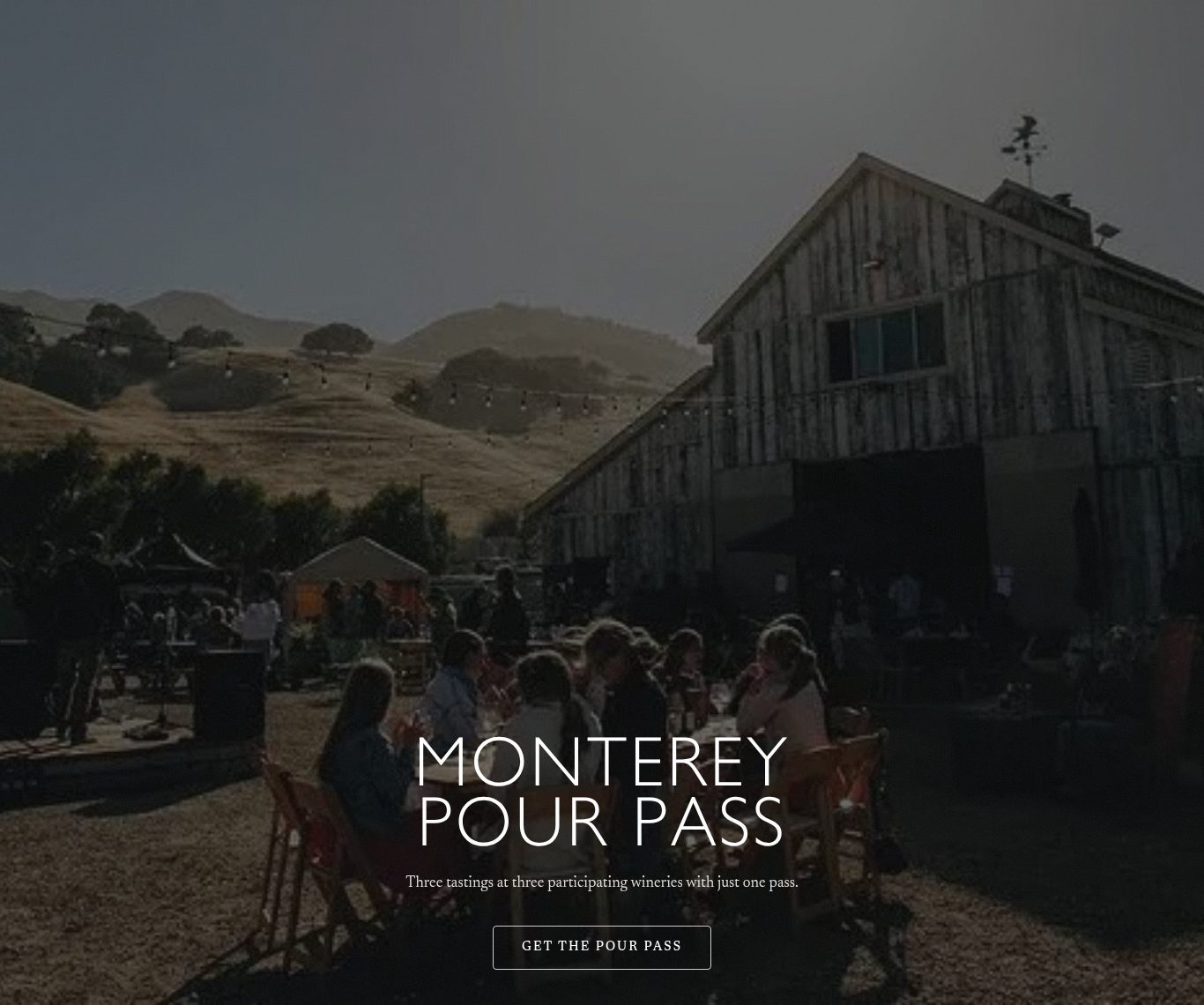
The pass is sold on the association’s own site. Pour Pass takes over after payment.
Any tasting room can scan a pass with a phone.
Each winery has its own portal. Staff open a secure scanner link for their shift and scan the guest’s QR code with the phone’s camera, in the browser. The pass is checked against the database on the spot: one tasting per winery, three per pass.
A winery can undo a mistaken scan, and each scan records who poured and when.
- Guest shows the pass on their phone or in the email
- Staff scan it from the winery’s scanner link
- The system checks it: paid, not expired, not used at this winery
- The pour is recorded, and the guest has one tasting fewer left
The association runs the program from one dashboard.
The association’s team adds and edits wineries, sets up each winery’s users and scanner links, sees every pass and its status, issues passes sold off-line, and can revoke a scanner session if a link is shared.
- Wineries: add, edit, deactivate, invite staff
- Scanner links: issue per shift, revoke any session
- Passes: status, tastings used, reversals
- Off-line sales: issue a pass without Stripe
The ad platforms learn which campaigns sell passes, and which passes get used.
Each verified purchase is sent from the server to Meta’s Conversions API, to GA4 through server-side Google Tag Manager, and to Google Ads as an offline conversion with enhanced conversions. The browser details these need are passed along only when the buyer’s cookie consent allows it.
The first tasting scanned on each pass is sent to Google Ads too. That tells Google which campaigns bring guests who actually show up, not only buyers.
- Stripe confirms the payment
- Pour Pass issues the pass and records the click IDs the checkout carried
- Meta, GA4 and Google Ads receive the purchase from the server
- The first scan goes to Google Ads as a second conversion
A wine region sells one product across 20+ tasting rooms and can see which marketing fills them.
One pass, many tasting rooms
Guests buy once and visit the wineries they choose. In its first two months, 166 passes sold and 135 tastings were poured at 15 different wineries.
Check-in without hardware
Tasting rooms scan with the phones they already have. One tasting per winery is enforced at the scan, not by memory.
Ads that learn from real visits
Purchases reach Meta, GA4 and Google Ads from the server, and Google also hears when a pass is first used.
If you sell something that’s redeemed in person, like a pass, a ticket or a tasting, the sale is only half the story. Tracking the visit as well as the purchase tells your ads which campaigns bring people through the door.
See which ads bring guests through the door, not only to checkout.
Most work starts with the 30-Day Measurement Sprint: purchases and bookings tracked correctly, then a baseline of cost per sale by channel. Builds like this are available to existing clients as an add-on.